An Open Letter to the City of Kamloops, Police, and Governments of BC and Canada
I am writing this letter with a heavy heart, confusion, and deep concern — not just for one person like Glenn, but for every person experiencing homelessness in our community. What is happening right now should make all of us pause and reflect on who we are, what we value, and how we treat people who are struggling the most.
Glenn and The Loop are not about chaos or trouble. They are about visibility. They are about reminding the public and decision-makers that homelessness is not a nuisance to be removed, but a human reality that demands compassion, leadership, and action. Arresting or silencing advocacy does not make homelessness disappear — it only deepens mistrust, trauma, and harm.
When people do not have a day centre, a safe place to go during the day, access to washrooms, food, warmth, storage, support workers, or mental health care, they are left with impossible choices. This is something governments and police must understand clearly. When people are pushed out of every space, criminalized for existing, and denied basic services, survival becomes the priority — not compliance.
Without safe daytime spaces, some people experiencing homelessness may turn to survival behaviours that can lead to conflict with the law. This is not because they are bad people. It is because desperation grows when support disappears. When someone has nowhere to go, no bathroom, no food, no place to rest, and no one listening, small problems quickly become crises. Criminalizing homelessness does not prevent crime — it increases the risk of it by removing stability and dignity.
Police officers are often placed in an impossible position. They are asked to respond to social and health crises with enforcement tools. But police are not mental health workers. They are not housing providers. They are not addiction specialists. When officers are used as the main response to homelessness, everyone loses — the officers, the community, and most of all, the people living on the streets.
This is why the City of Kamloops, the Province of British Columbia, and the Government of Canada should care deeply. Homelessness is not just a municipal issue or a policing issue. It is a human rights issue, a health issue, and a community safety issue. When people are supported, crime goes down. When people are housed, communities become safer. When people feel respected, trust grows.
Arresting people for advocacy, protest, or visibility sends a dangerous message: that speaking up for the most vulnerable is unwelcome. Advocacy is not a crime. Caring is not a crime. Asking governments to do better is not a crime. In a democracy, advocacy should be protected — especially when it speaks for those who are often unheard.
So what can be done now, without arrests and without harm?
First, Kamloops needs a low-barrier day centre that is open consistently. A place where people can go during the day to rest, use washrooms, access food, connect with outreach workers, and receive mental health and addiction support. Day centres reduce street conflict, reduce police calls, and restore dignity.
Second, governments must invest in housing-first approaches. People cannot heal, follow rules, or rebuild their lives when they are constantly in survival mode. Housing is prevention. Housing is safety. Housing is cheaper than policing and emergency responses in the long run.
Third, police services should be supported with alternative response teams — mental health professionals, peer support workers, and outreach teams who can respond alongside or instead of police when appropriate. This protects officers and helps people get the care they actually need.
Fourth, city leaders must listen to people with lived experience and advocates like Glenn instead of reacting with enforcement. Inclusion means bringing people to the table, not pushing them away. People who live this reality every day know what works — and what doesn’t.
Finally, all levels of government must remember this: homelessness can happen to anyone. A job loss, a disability, a mental health crisis, family breakdown, or rising rent can push people into homelessness faster than most realize. When systems fail, compassion should not fail with them.
Caring about homeless people is not weakness. It is leadership. It is responsibility. It is a reflection of our shared humanity. Communities are not judged by how they treat the powerful, but by how they treat those with the least power.
Glenn’s advocacy, and the voices of people experiencing homelessness, are not problems to be managed. They are warnings we should listen to. Warnings that something in our systems is broken — and that enforcement alone will never fix it.
Kamloops, BC, Canada, and those entrusted with authority have a choice: continue down a path of criminalization and conflict, or choose compassion, prevention, and partnership. One path deepens harm. The other builds hope.
People experiencing homelessness are not the problem. The lack of care, support, and vision is. And it is never too late to choose a better way forward.
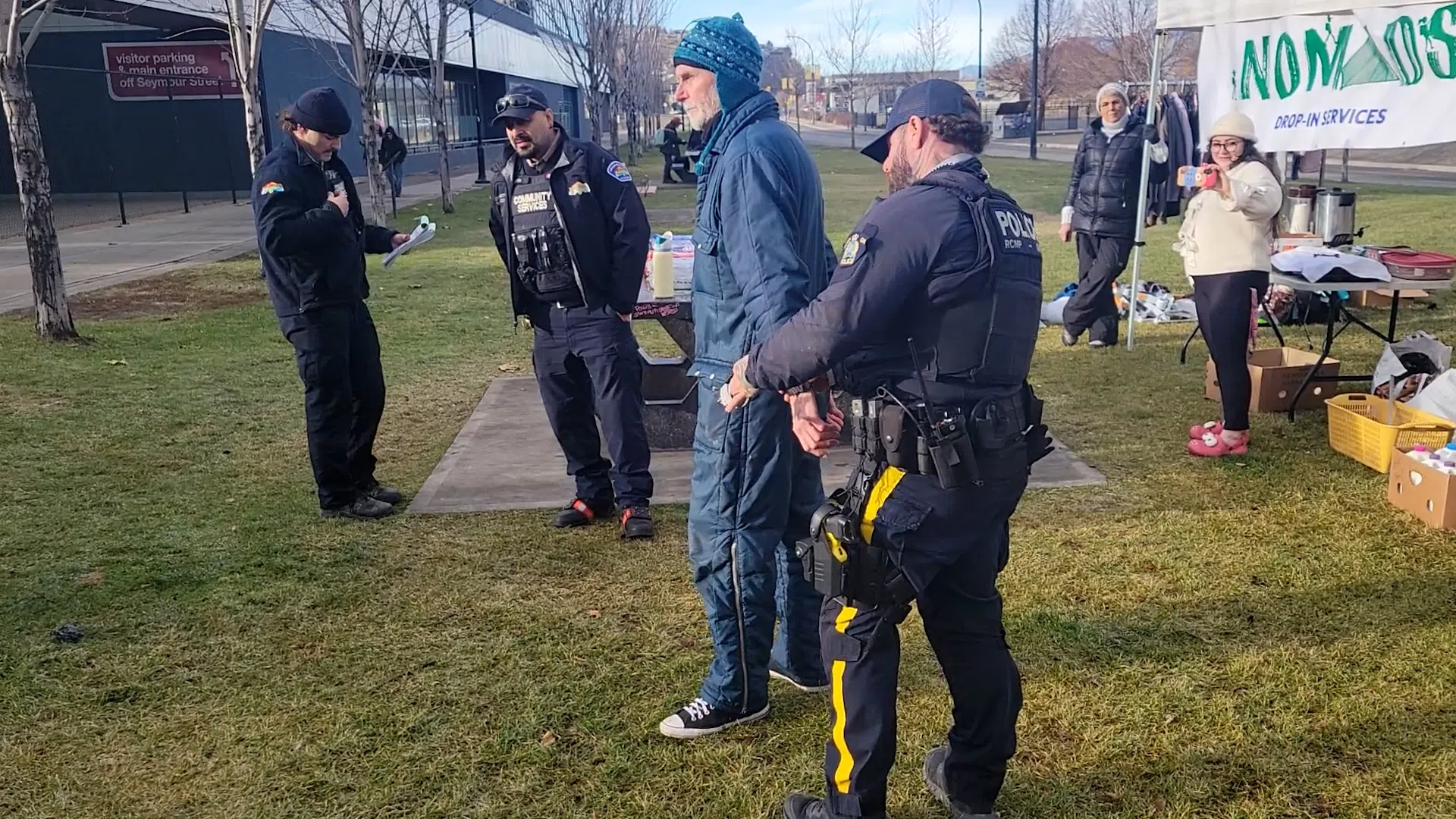

I seen the news today and I am upset and confused. sincerely Krystian Shaw
some parts were created by chatgpt but these were my thoughts and ideas with AI Assistance